Introduction to Xfinity and Home Networking
Xfinity, a brand of Comcast Cable Communications, LLC, is a prominent Internet Service Provider (ISP) in the United States, recognized for delivering high-speed internet, cable television, and phone services. With a range of plans tailored to meet varying user needs from casual browsing to heavy streaming, Xfinity aims to provide its customers with reliable access to online content and services. Given the exponential growth in online activities and the increasing demand for efficient connectivity, ensuring a robust home network has become essential for optimal user experience.
A reliable home network hinges upon several factors, chief among them being internet speed. Xfinity offers multiple speed tiers, reflecting different usage requirements. Whether one is engaging in high-definition video streaming, online gaming, or working from home, the right speed plan will significantly enhance the quality of the experience. However, even with the top-tier speed, the performance can be adversely affected by the quality of the home network, which is closely tied to the functionality of the router.
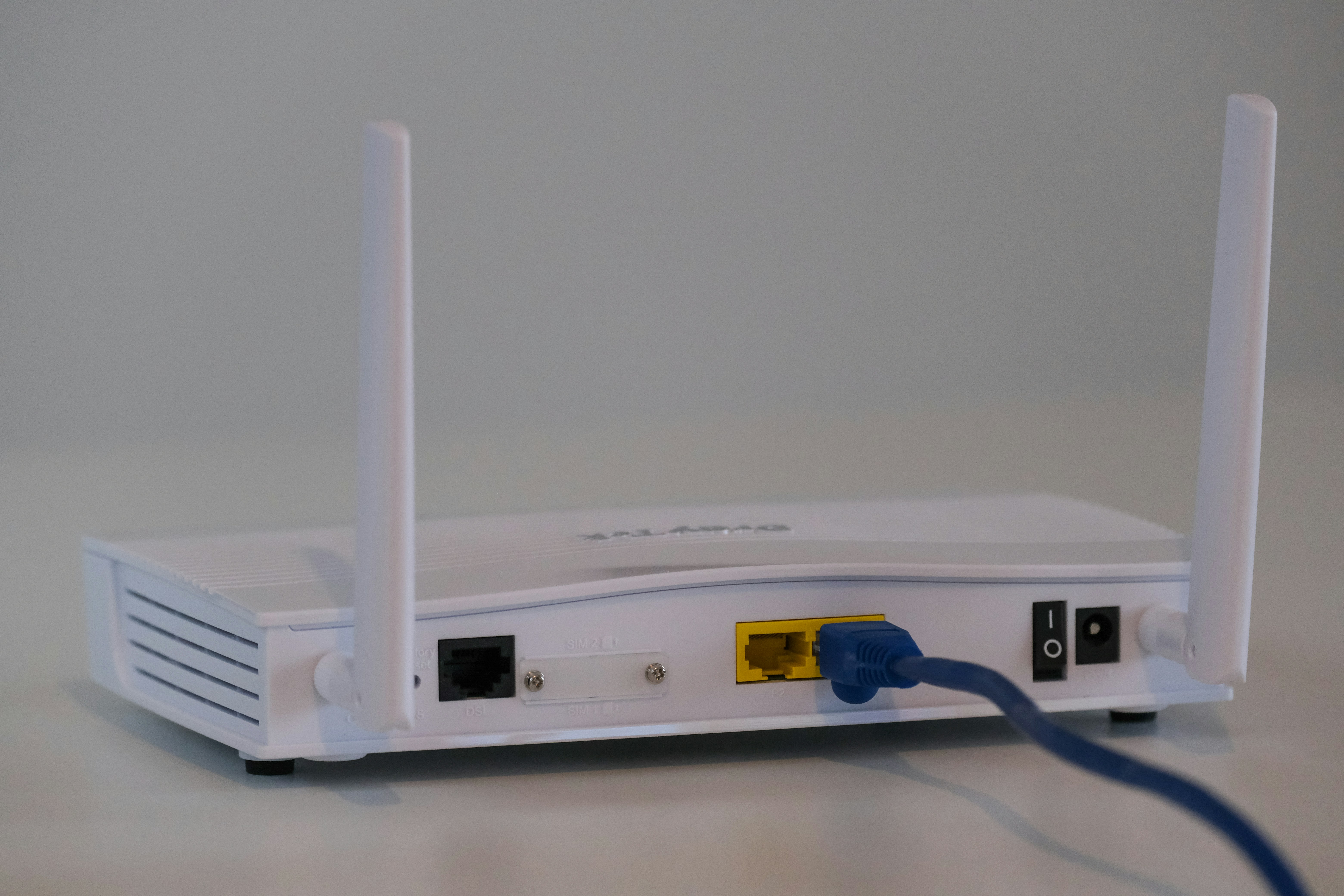
The router serves as the central hub of a home network, facilitating communication between the ISP and the connected devices within the home. A high-quality router can optimize Xfinity’s service by ensuring a stable, fast, and uninterrupted internet connection throughout the residence. Factors such as the router’s bandwidth capabilities, range, and security features play pivotal roles in determining the effectiveness of the internet service delivered by Xfinity. With the right equipment, users can take full advantage of the ISP’s offerings, leading to a more satisfying online experience.
In conclusion, understanding Xfinity as an ISP and the critical role of home networking equipment, especially the router, is indispensable for users seeking to maximize their internet experiences. By choosing the right router, customers can leverage the full potential of their Xfinity service, ensuring efficient usage across various online activities.
Understanding Your Internet Needs
Choosing the right router for your Xfinity service begins with a thorough evaluation of your internet usage and requirements. Whether you are a casual browser, an avid gamer, or someone who streams a lot of content, determining how you use the internet will influence the capacity and specifications needed from your router. Begin by analyzing your primary online activities. For instance, streaming services such as Netflix and Hulu require a stable and fast connection; thus, a router that supports high-speed internet is essential for uninterrupted viewing. On the other hand, gaming demands low latency and robust bandwidth to ensure a seamless experience.
Furthermore, consider how many devices typically connect to your network. In today’s smart homes, it is common to have multiple devices—smartphones, tablets, laptops, and IoT devices—connecting concurrently. A router with higher throughput will be necessary if you have many devices streaming, downloading, or uploading data simultaneously. A dual-band or tri-band router can help manage traffic more effectively, allowing for better performance across multiple devices.
Additionally, evaluate the desired internet speed for your household. Xfinity offers various speed plans, and understanding your needs will aid in selecting a router that can handle the speeds you pay for. If your internet plan supports speeds of 300 Mbps or higher, you should choose a router designed to optimize those speeds, ensuring you get the most out of your Xfinity service. By carefully assessing how you use the internet, the number of devices connecting, and your desired speeds, you will be better positioned to select a router that meets your needs efficiently.
Compatibility with Xfinity: What to Look For
When selecting a router for Xfinity service, compatibility is an essential consideration that could significantly impact your overall internet experience. The first critical aspect is ensuring that your router supports the appropriate Data Over Cable Service Interface Specification (DOCSIS) standards. Xfinity primarily utilizes DOCSIS 3.0 and DOCSIS 3.1 technology, with the latter offering enhanced speeds and better overall performance, particularly if you have a high-speed internet plan. Hence, opting for a DOCSIS 3.1 compatible router is advisable to future-proof your investment.
Another important factor to keep in mind is the dual-band capability of the router. A dual-band router operates on both the 2.4 GHz and 5 GHz frequency bands. This functionality can significantly enhance your wireless experience, as the 5 GHz band generally offers faster speeds and less interference, while the 2.4 GHz band provides better coverage over larger distances. Users who have multiple devices connected simultaneously will likely benefit from a dual-band router, as it can help manage bandwidth more effectively, reducing lag and improving the user experience.
Xfinity does impose certain requirements on hardware, particularly in terms of equipment that is certified to work seamlessly with their services. Therefore, it is prudent to check whether the router you are considering is listed on Xfinity’s approved device list. Purchasing equipment that meets Xfinity’s specific criteria ensures compatibility and can help mitigate potential connectivity problems. Moreover, always keep an eye out for updates regarding firmware and software, as routers that meet Xfinity standards are often more reliable and functional.
Top Features to Consider in a Router
When selecting a router for your Xfinity internet service, several key features can significantly impact performance, usability, and security. Understanding these essential features can help ensure you choose a router that fits your needs.
Firstly, speed ratings are one of the most critical factors to evaluate. Look for routers that offer speed classifications such as AC (Wi-Fi 5) or AX (Wi-Fi 6), as these indicate the maximum throughput they can deliver. AC routers can handle speeds up to 3.5 Gbps, while AX routers can reach speeds exceeding 9.6 Gbps. These ratings can play a pivotal role in delivering a smooth and fast internet experience, especially in homes with multiple connected devices.
Next, consider the range or coverage area of the router. The ideal router will ensure strong Wi-Fi connectivity throughout your home, eliminating dead zones. Factors such as the number of antennas and the technology employed, such as beamforming, can enhance signal strength and distribution. Look for routers advertised as having widely covered ranges suitable for your home’s size.
Security is another essential feature to prioritize in your router choice. Ensure the router supports WPA3 encryption, which provides robust protection against unauthorized access and cyber threats. This feature is particularly crucial in today’s increasingly connected environments, where safeguarding personal information is paramount.
Lastly, advanced functionalities like MU-MIMO (Multi-User, Multiple Input, Multiple Output) and QoS (Quality of Service) can significantly enhance network performance. MU-MIMO allows multiple devices to receive data simultaneously, improving speed and efficiency, particularly in multi-device homes. In contrast, QoS enables prioritization of bandwidth for specific applications, ensuring high performance for critical activities such as gaming or video streaming.
Best Router Brands for Xfinity
When selecting a router compatible with Xfinity services, it is essential to consider several reputable brands known for their performance and reliability. This section focuses on four top router brands: NETGEAR, TP-Link, ASUS, and Motorola, which provide quality products tailored for Xfinity users.
NETGEAR is widely recognized for its robust and innovative router offerings. With a range of models that cater to different user needs, NETGEAR routers often come equipped with advanced features such as dual-band technology, high-speed performance, and extensive coverage. Their Nighthawk series, in particular, is popular for gamers and heavy internet users, ensuring a fast and reliable connection that is vital for seamless activities.
TP-Link is another brand that has made a name for itself in the networking arena. Known for its affordability and user-friendly features, TP-Link routers offer excellent performance for everyday internet tasks. Their Archer series provides a good balance of speed and range, making them suitable for medium to large homes. Additionally, TP-Link’s easy setup and management through its Tether app are additional benefits for users seeking convenience.
ASUS, distinguished by its advanced technology, has emerged as a preferred choice for tech-savvy users. ASUS routers, especially the RT-AC series, deliver high-speed performance and are equipped with features such as quality of service (QoS) and robust security options. These features make ASUS routers ideal for multiple devices and demanding applications. Their emphasis on performance and security has garnered a strong reputation among Xfinity customers.
Lastly, Motorola is well-regarded for its modem-router combinations, especially the MG7700 model, which is known for its compatibility with Xfinity services. Motorola devices often focus on reliability, featuring built-in security and ease of use. Their designs ensure that Xfinity users can enjoy stable connections without unnecessary complexity.
Review of the Top Routers for Xfinity in 2023
Choosing the right router for Xfinity can significantly enhance your internet experience, whether you are streaming, gaming, or working from home. Below is a curated list of the top routers for Xfinity available in 2023, catering to a range of budgets and requirements.
1. NETGEAR Nighthawk RAX80
The NETGEAR Nighthawk RAX80 is a high-performing router that supports Wi-Fi 6 technology. With a maximum speed of 6Gbps, it offers wider coverage and supports multiple devices.
- Specifications: Dual-band, 8 streams, 4×1 Gigabit Ethernet ports.
- Pros: Very fast, excellent for gaming, and has robust security features.
- Cons: Relatively expensive.
This router is an excellent choice for Xfinity customers who demand high speed and performance.
2. TP-Link Archer AX50
The TP-Link Archer AX50 is a budget-friendly router that still delivers good performance with Wi-Fi 6 capabilities. It is perfect for everyday use, including web browsing and video streaming.
- Specifications: Dual-band, 4 streams, 1 Gigabit WAN port, 3 Gigabit LAN ports.
- Pros: Affordable, easy setup, and solid performance for its price.
- Cons: Limited advanced features compared to high-end models.
This router offers a cost-effective solution for those engaging in standard online activities with Xfinity.
3. ASUS RT-AX88U
The ASUS RT-AX88U is another potent dual-band router that excels in providing expansive coverage and high speed, suitable for larger households with multiple devices connected.
- Specifications: Wi-Fi 6, 8 Gigabit LAN ports, and MU-MIMO technology.
- Pros: High performance, customizable settings, advanced security features.
- Cons: Can be complicated to set up for novice users.
This model is an ideal option for Xfinity customers looking for an upgrade that can handle demanding internet tasks.
In conclusion, choosing the best router for Xfinity involves considering various factors, including speed, coverage, and budget. The routers listed above represent some of the top options available in 2023, ensuring you can find the right fit for your internet needs.
Installation and Setup Tips for Your Router
Installing and setting up your new router for Xfinity is a straightforward process, but it does require careful attention to detail to ensure optimal performance. Start by selecting an ideal location for your router. Place it in a central location in your home to maximize Wi-Fi coverage and minimize obstructions such as walls and large electronic devices. Avoid placing the router in a closed cabinet or near any interference-causing appliances like microwaves and cordless phones.
Once you have chosen a suitable location, the next step is to connect your router to the modem. Use an Ethernet cable to connect the WAN (Wide Area Network) port on the router to the Ethernet port on your Xfinity modem. Make sure both devices are powered on. After establishing this connection, power cycle your modem and router by unplugging them both, waiting for about 30 seconds, and then plugging them back in. This process ensures that the modem recognizes the new router.
After successfully connecting the router, proceed to configure its settings. Access the router’s web interface by entering the router’s IP address into a web browser. You can typically find this address in the router’s manual or on the manufacturer’s website. Log in using the default username and password, which can also be found in the manual. Once logged in, it is advisable to change the default credentials to enhance security.
Next, configure your Wi-Fi settings. This includes setting a strong, unique password for your Wi-Fi network and choosing a suitable SSID (Service Set Identifier)—the name that identifies your network. Additionally, consider enabling WPA3 encryption if supported by your router, as this offers enhanced security features to protect your network from unauthorized access.
Finally, it is important to check for firmware updates after installation. Most routers offer an automatic update feature, but manually checking for updates ensures you have the latest security patches and performance enhancements. Following these comprehensive installation and setup tips will help you get the most out of your router with Xfinity.
Common Issues and Troubleshooting
When utilizing an Xfinity internet connection, users may encounter various issues with their routers that can affect performance and usability. Understanding these common problems and their solutions can significantly enhance overall internet experience.
One prevalent issue is slow internet speeds, which can be attributed to multiple factors. First, consider the distance of your device from the router; physical obstructions and excessive distance can weaken the signal. Another potential reason for diminished speeds could be network congestion, especially during peak hours when multiple devices are connected. To troubleshoot this, you can perform a speed test, restart the router, or even consider positioning it centrally in your home. Upgrading the router’s firmware can also improve its speed and performance.
Connectivity drops are another issue many users face. This can happen if your router is outdated or not compatible with Xfinity’s service. If disconnections occur frequently, ensure all cables are securely connected and consider resetting the router to restore connectivity. You may also want to check for any outages or service interruptions in your area through Xfinity’s service status page.
Lastly, device compatibility may pose challenges, particularly when connecting multiple devices. Some older devices may not support the latest Wi-Fi standards, which can hinder performance. Ensure your router is compatible with the specifications of all your devices or consider upgrading to a dual-band router that offers better compatibility across diverse devices. By following these troubleshooting tips, users can address common router issues effectively and enjoy a seamless Xfinity internet experience.
Conclusion: Making the Right Choice for Your Home Network
Choosing the best router for Xfinity is a crucial step in ensuring an optimal internet experience at home. Throughout this guide, we have explored various aspects that impact the performance of a router, such as speed, range, compatibility, and additional features. Understanding these elements is vital for users eager to maximize their internet service and accommodate their specific needs.
As we have discussed, the ideal router varies based on individual requirements, such as the size of your home, the number of devices connected, and the types of online activities being performed. For instance, a large household with multiple users streaming content simultaneously may benefit from a powerful dual-band or tri-band router. Conversely, smaller households might find satisfactory performance in a simpler model.
Moreover, features such as Quality of Service (QoS) settings, security protocols, and ease of setup should also be taken into consideration. These features can significantly affect not only the performance and reliability of your network but also the overall safety of your internet connection.
In light of these insights, we encourage readers to take proactive steps in reviewing their router options. Consider your internet usage habits and evaluate different models that align with your needs. Conduct thorough research and seek out user reviews to better inform your decision. By selecting the right router, you can significantly enhance your Xfinity internet service, ensuring a seamless online experience for you and your family.